handling the Changing Urban world of Mascouche and Local Development

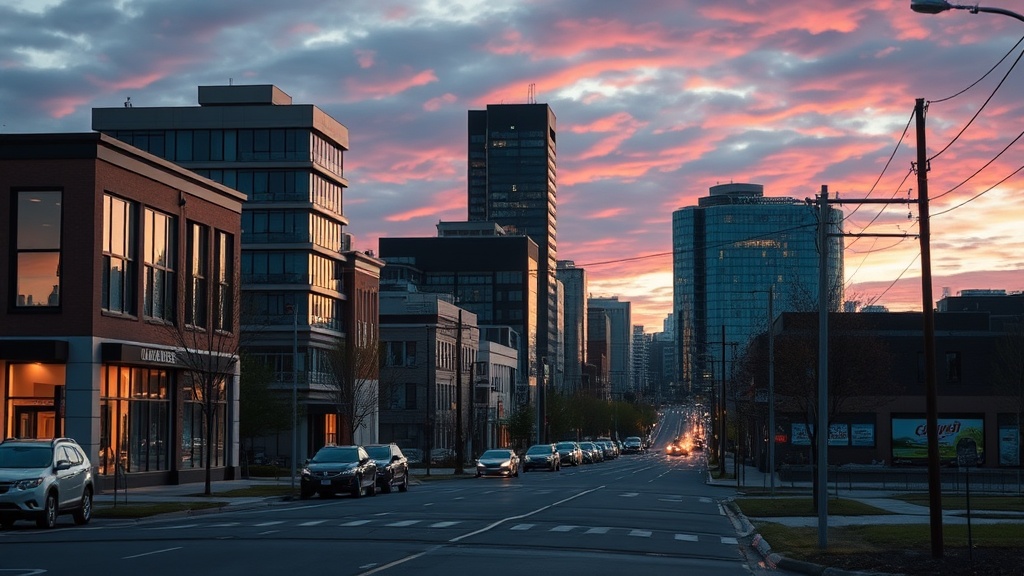
Imagine walking down Rue de la Gare on a Tuesday afternoon and noticing a new construction site popping up near the old station area. You see the cranes, the heavy machinery, and the workers in high-visibility vests. It isn't just a random construction project; it's a sign that our Mascouche is evolving. For those of us living here, these changes aren't just background noise. They affect our traffic patterns, our property values, and the very feel of our neighbourhoods. Understanding how our city grows helps us stay ahead of the curve, whether we are looking for a new home or just trying to plan a commute.
The pace of development in Mascouche has accelerated significantly over the last few years. We see it in the new residential pockets popping up near the highway and the expansion of commercial zones. While growth brings new amenities, it also brings questions about how we maintain our community identity. This post breaks down what's happening on the ground right now in our corner of Quebec.
Where is the new residential growth happening in Mascouche?
Much of the recent residential expansion is concentrated in the north and east sectors of Mascouche. We've seen a shift from older, single-family-dominated blocks to more diverse housing options. Developers are eyeing the areas near the transit corridors to ensure residents have easy access to the commuter train. This isn't just about building houses; it's about creating complete communities. If you live near the newer developments, you've likely noticed more construction crews and perhaps a bit more dust than usual.
The demand for housing in the Lanaudière region has pushed many developers to focus on Mascouche because it offers a balance of suburban quiet and urban accessibility. However, this rapid build-up means our local infrastructure—like water systems and roads—is under constant scrutiny. For example, the areas surrounding the 640 highway are seeing intense activity. This growth is a double-edged sword for Mascouche residents: it brings more neighbors and local tax revenue, but it also means more construction-related delays during your morning coffee run.
How does local zoning affect our Mascouche neighbourhoods?
Every time a new building permit is issued, it's a result of complex zoning laws that dictate what can be built and where. In Mascouche, these decisions are made by our local government to ensure that a new commercial complex doesn't end up right next to a quiet cul-de-sac in a residential zone. The city's urban planning department works to balance the need for commercial-industrial zones with the preservation of our green spaces. This is why you might see certain areas of Mascouche becoming much denser while others remain strictly single-family residential.
Understanding these zones helps you when you're looking to buy or renovate. If you're eyeing a property near the industrial sector, you should check the municipal zoning maps to see if a warehouse is slated for the lot next door. For more official information on local land use, you can always check the official Mascouche website to see the latest bylaws and urban planning documents. Being an informed resident means knowing that a new zone in the south end might not affect your street in the north, but it certainly affects our shared infrastructure.
Watching the evolution of our local infrastructure
It isn't just about houses; it's about the pipes, the roads, and the electricity that keep Mascouche running. As we add more homes, the city has to upgrade the services that support them. We see this in the occasional roadwork on the main arteries of Mascouche. While it's a headache for drivers, these upgrades are necessary to support the growing population. The city is constantly working to ensure that our public services can handle the increased load without a hitch.
- Road Improvements: Frequent maintenance on major-arteries to prevent potholes.
- Public Transit: Adjustments to bus routes to accommodate new residential sectors.
- Green Space Management: Ensuring that new developments don't completely erase our local parks.
If you want to see how the city is managing its growth, you can keep an eye on the municipal budget and public notices. The way Mascouche allocates funds for road maintenance or new park equipment tells us a lot about the city's priorities. We aren't just a transit town; we are a growing community that requires careful management to ensure our quality of life remains high even as we get bigger.
Why is local development so important for Mascouche residents?
At the end of the day, development is about the future of our community. When a new business opens up in Mascouche, it's more than just a new place to shop; it's a local job and a boost to our local economy. However, we have to be vocal about how this growth happens. We want development that respects our history and our space. We don't want to lose the charm that makes Mascouche feel like a real community instead of just another suburb of Montreal.
The interaction between the city council and the citizens is where the real work happens. Whether it's a public consultation regarding a new housing project or a debate about a new commercial zone, your voice matters. We see these discussions happening in community groups and online forums constantly. Staying engaged with the local news and municipal announcements is the best way to ensure that the Mascouche of tomorrow is a place we all want to live in. For more comprehensive data on regional development in Quebec, you can visit the Gouvernement du Québec website to see how provincial policies affect our local-level decisions.
As we look forward, the terrain of Mascouche will undoubtedly continue to change. Whether it's a new park being built or a commercial strip expanding, these changes are part of our story. Being a local means not just living here, but participating in the evolution of our streets, our parks, and our shared spaces. We'll be watching these developments closely, right alongside you.